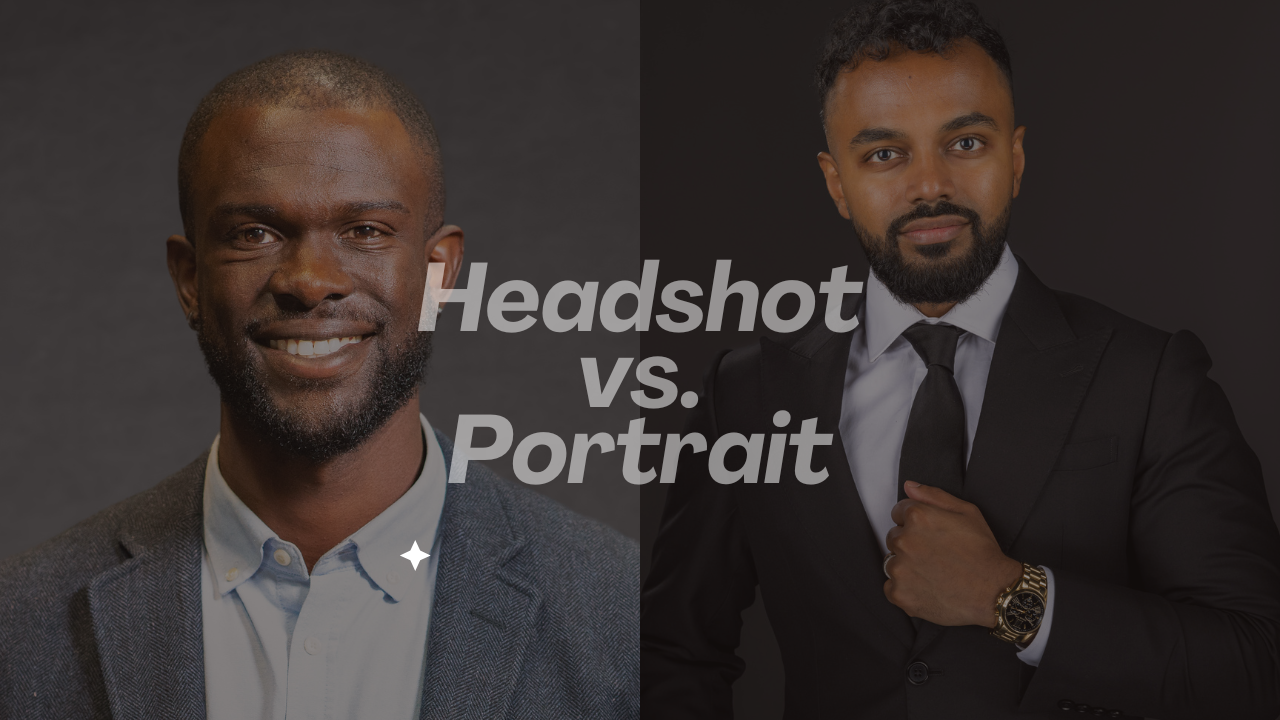
A headshot and a portrait may look similar to the untrained eye—both are photos of people, after all. But peel back the layers, and you’ll see they serve entirely different purposes. The difference isn’t in the pixels or the lighting setup; it’s in the intention, the story, and what they unlock for the person in front of the lens.
The Headshot: A Key to Opportunity
A headshot isn’t just a picture; it’s a passport to possibilities. It’s what someone uses to open doors—to land a job, secure a client, or build trust before the first handshake. A great headshot speaks in shorthand. It says: “I’m professional, approachable, and ready to deliver.”
The headshot is utilitarian in the best sense of the word. It’s functional, but that doesn’t mean it’s basic. Every detail—the lighting, the angle, the expression—is designed to serve a purpose. It’s your introduction, distilled into a single image.
The Portrait: A Window to the Soul
A portrait, on the other hand, is less about function and more about expression. It’s a story, a mood, a captured essence. A portrait isn’t meant to convince or persuade; it’s meant to reveal.
Where a headshot simplifies, a portrait complicates. It invites the viewer to linger, to interpret, to ask questions. Who is this person? What’s their story? Where are they in their journey? A portrait isn’t tied to professional goals—it’s tied to personal truth.
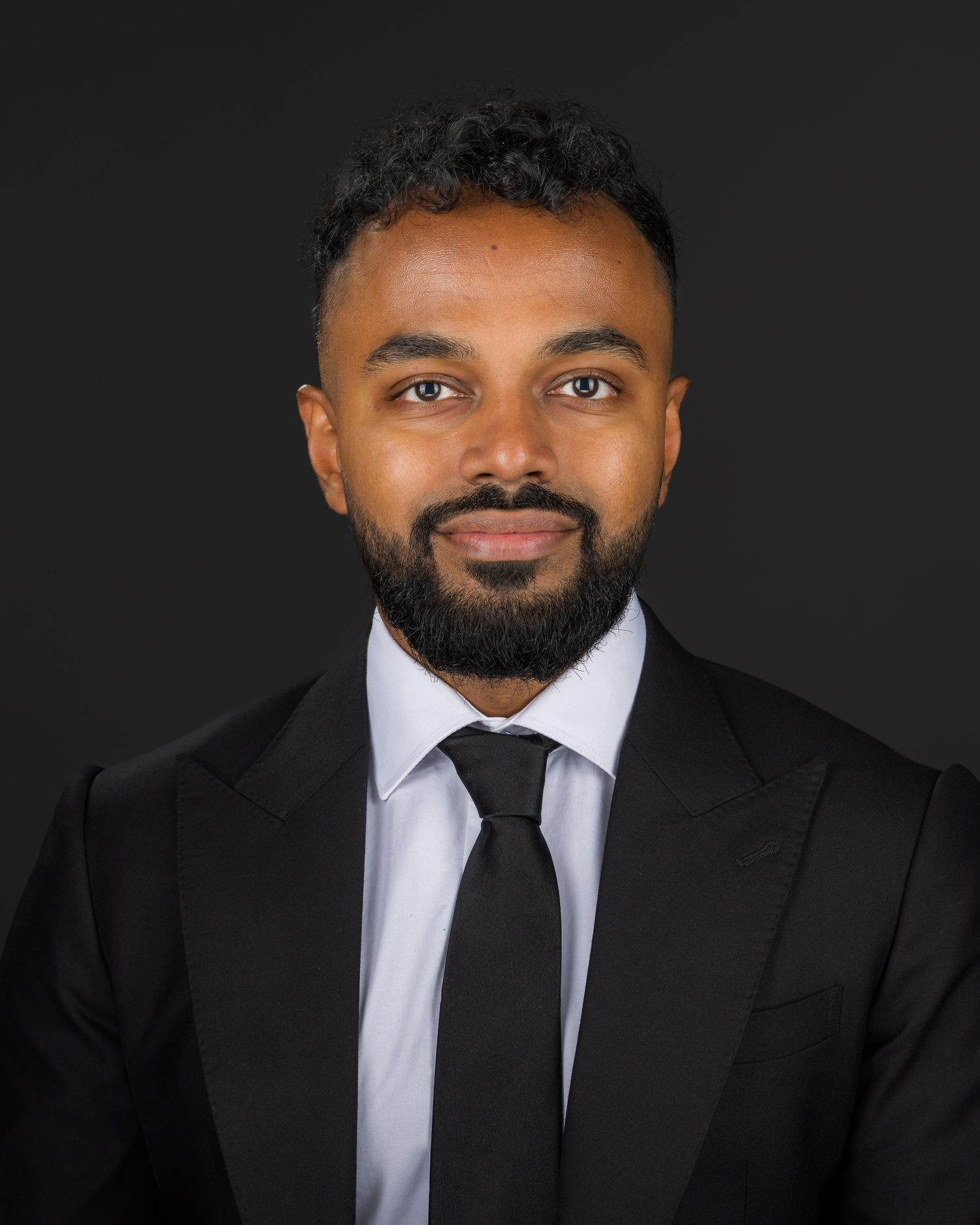
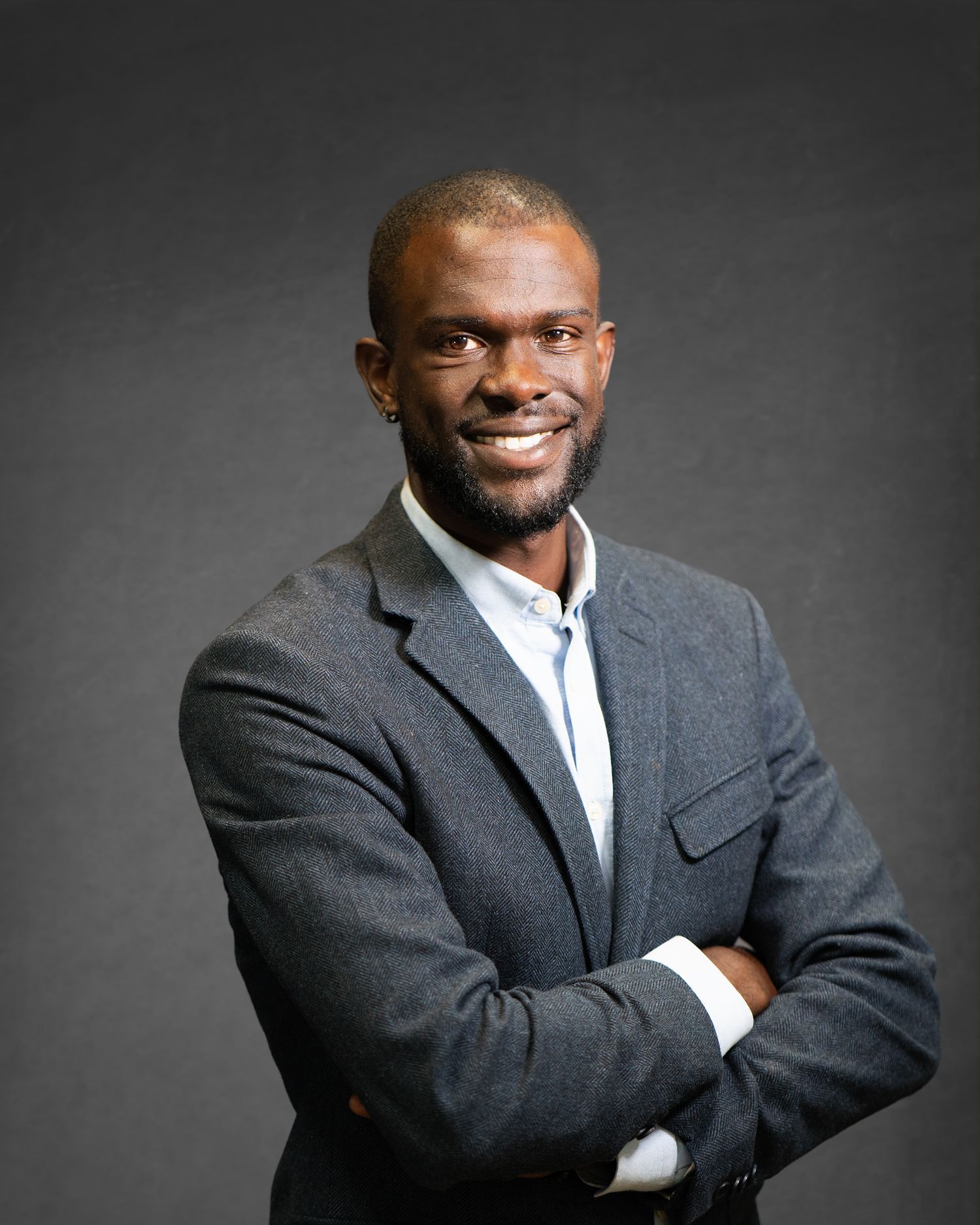
Headshot: A professional image focusing on the face and shoulders, ideal for work or personal branding.
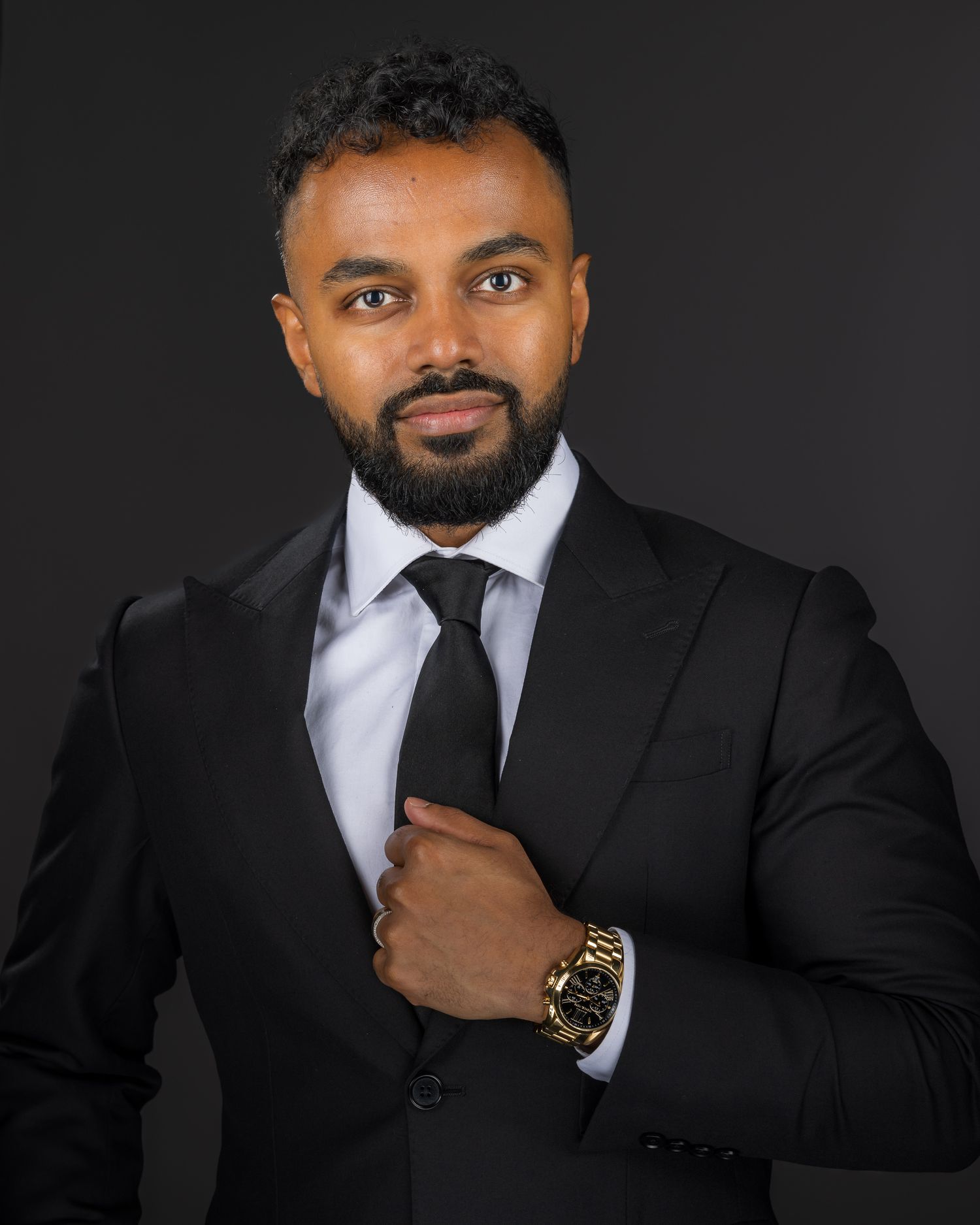
Portrait: A polished professional image that goes beyond the face, incorporating more of the torso and hands to showcase confidence, character and individuality.
Why the Difference Matters
Understanding this distinction isn’t just semantics; it’s essential. As photographers, it shapes how we shoot, how we edit, and how we communicate with our clients. For clients, knowing the difference means aligning their expectations with their goals.
Imagine a business executive asking for a portrait when what they really need is a headshot. Or a creative seeking a headshot but yearning for the depth of a portrait. The result? Misalignment and missed opportunities.
The Empathy Lens
The magic of both a headshot and a portrait lies in seeing the world through your subject’s eyes. What do they need this photo to say? How will it be used? Who will see it, and what impression will it leave?
Empathy is the bridge between intention and execution. The photographer who understands this delivers not just images, but tools—whether it’s a headshot that helps someone land their dream job or a portrait that tells the story they’ve been waiting to share.
The Takeaway
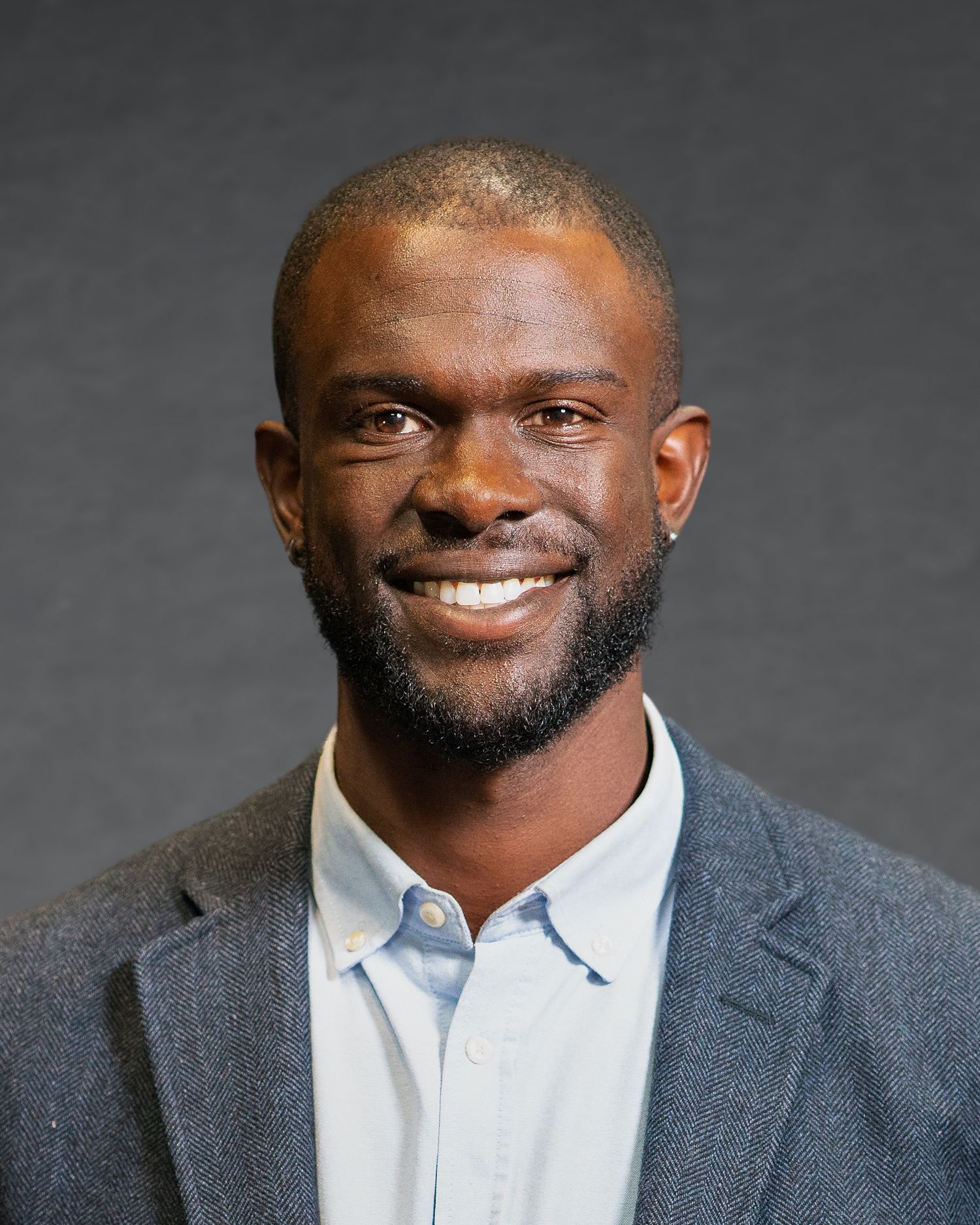
- Headshots are about opening doors; they’re functional and professional.
- Portraits are about opening hearts; they’re expressive and personal.
Both have their place, but they’re not interchangeable. When you understand the purpose behind the photo, you’ll create something that resonates—not just with the subject, but with everyone who sees it.
As photographers, our job isn’t just to take pictures; it’s to see, understand, and translate. The headshot and the portrait are two different languages—our skill lies in knowing when to speak which one.
At GEMS, we specialize in capturing your unique essence with expertise and precision. Ready to elevate your personal or professional brand? Let’s create something extraordinary together.
Book your session today and take the first step toward making an unforgettable impression!
